STRATEGIC PLANNING
Most strategic plans are not strategies. They are organized ambitions.
Priorities. Initiatives. Growth goals. Capital requests. Consensus language.
They can look complete until leaders have to decide what matters most, what they are willing to stop doing, and what the organization can actually support.
Amplara Advisors helps healthcare leaders turn ambition into choices that can be tested, owned, resourced, and acted on.
Strategy requires choices.
Market intelligence, analytics, innovation, and emerging trends matter. But they are inputs to strategy, not substitutes for it.
Real strategy requires leaders to define success, decide where to focus, confront the trade-offs that come with those choices, and determine what must be true for the chosen direction to work.
That means testing strategy against the system that has to deliver it: operations, access, experience, workforce, care models, capital, facilities, organizational incentives, and implementation realities.
Our role is not to defend a predetermined answer. It is to help leaders see the system clearly enough to make the decisions it requires, including the ones they may not have expected to make.
The result is not a prettier plan. It is greater decision confidence.
The difference shows up in the outcome.
Confidential Health System | Southwestern U.S.
A behavioral health strategy could not succeed inside a system working against it.
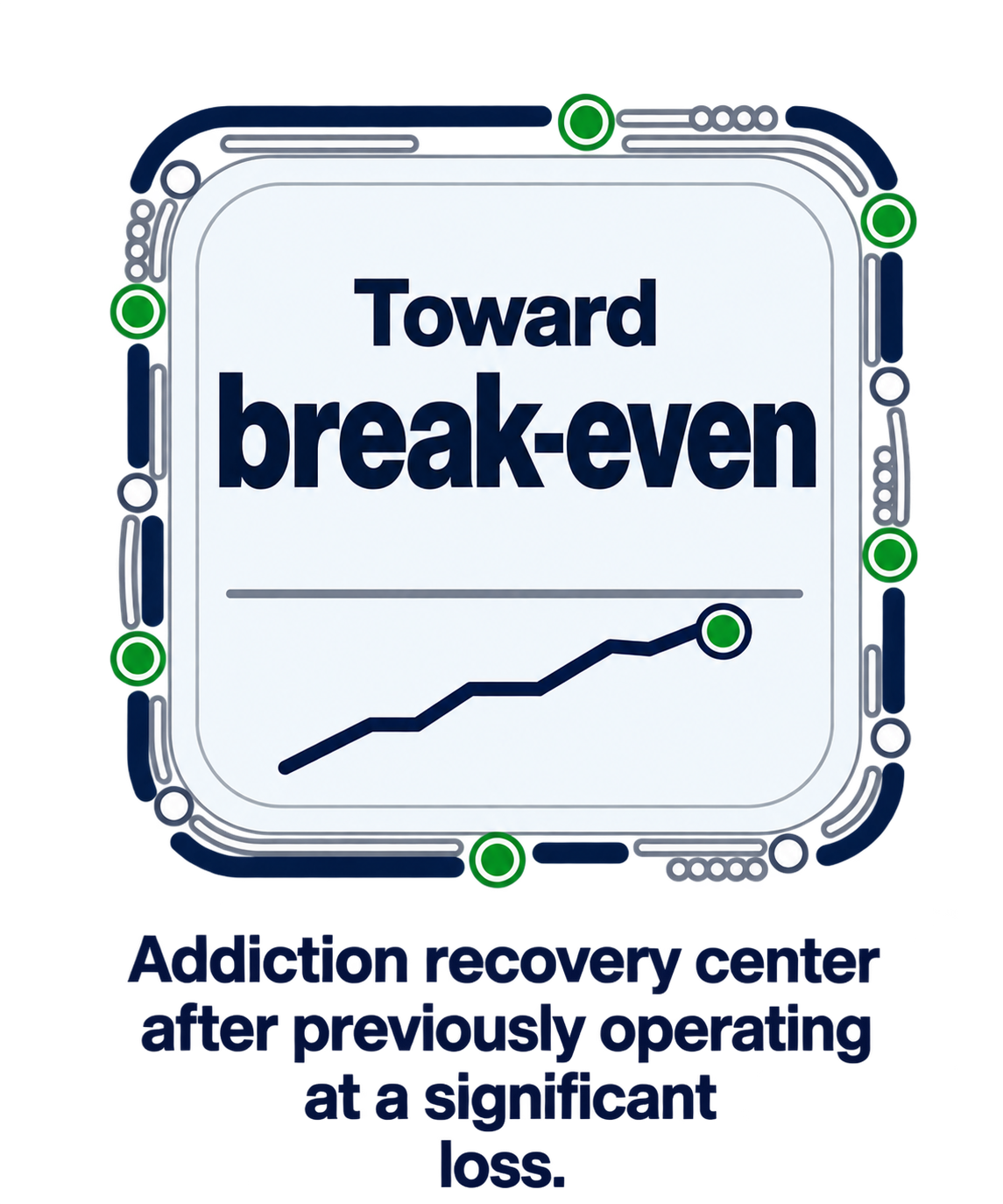
A 20+ hospital regional health system needed a systemwide behavioral health strategy to improve care coordination, expand access, use resources more effectively, and address an addiction recovery center operating at significant financial loss.
But the challenge was larger than an underperforming service line.
Behavioral health spanned dozens of ambulatory locations and four inpatient campuses. Hospital leaders were accountable for campus performance. Service-line leaders owned individual parts of the care continuum. Finance, compliance, legal, and other functions could stall decisions. The organization wanted behavioral health to operate as an enterprise service while its incentives and operating model continued to reinforce local optimization.


The work
Instead of asking how to improve individual programs, the work reframed behavioral health as a system problem:
What does the health system need behavioral health to do, and what decisions are required to make that possible?
That shift forced clarity around what success meant, which trade-offs leadership was prepared to accept, how inpatient and ambulatory assets should work together, where investment was required, and who had authority to make consequential decisions.
Services and assets were repositioned around a coordinated enterprise model. Care pathways, strategic priorities, decision rights, and performance expectations were clarified around the needs of the system and the patients it served.
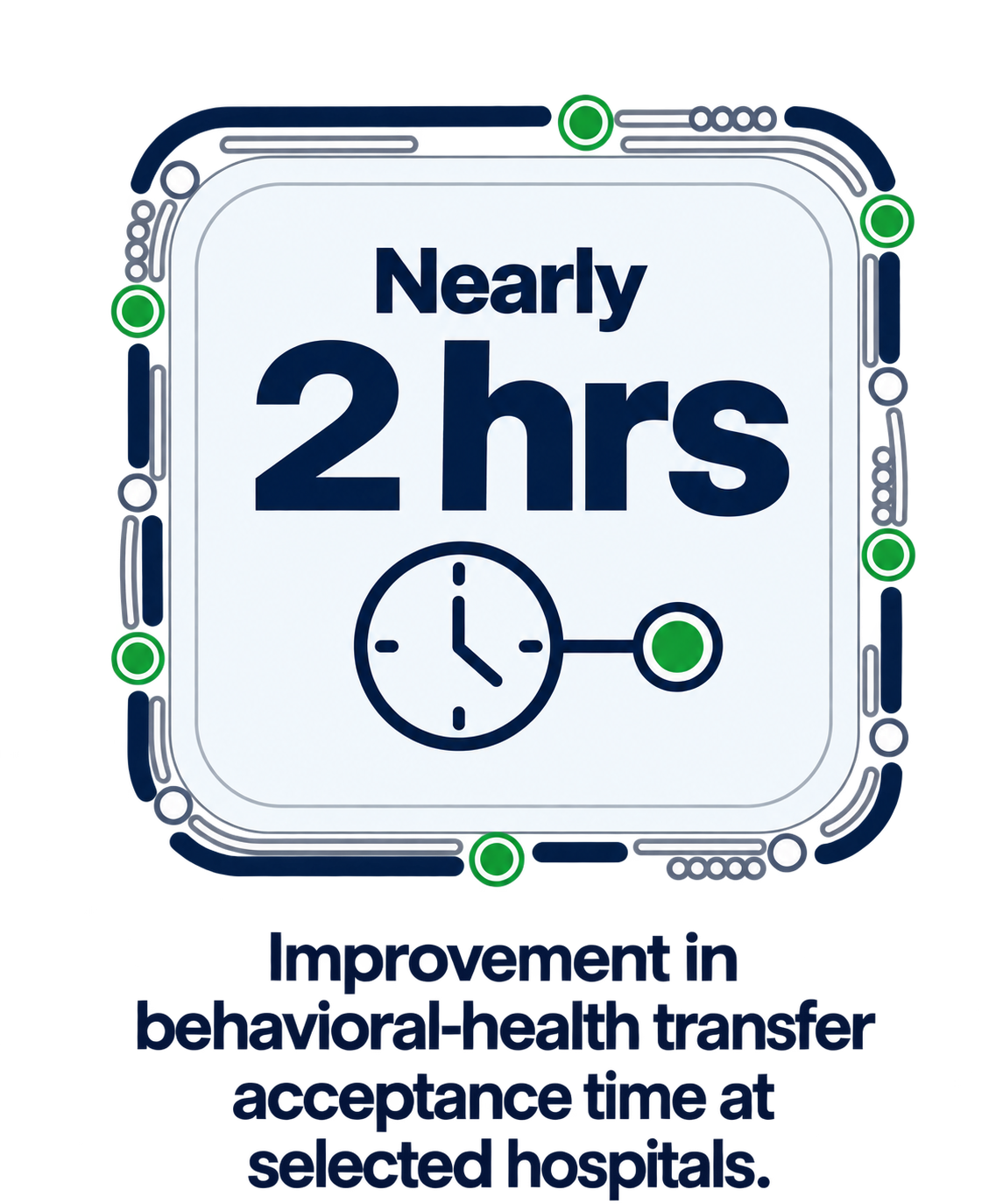
Within six months, the strategy was producing measurable results…